Going to Gemba

Source: Motor Trend (http://www.motortrend.com/news/miles-in-three-2013-honda-accords/)

In my past life before data architecture, I used to be a manufacturing engineer in the automotive industry. At the time, the popular approach was Lean Manufacturing and the Toyota Production System, driven by Toyota’s massive success in the United States.

Lean was—and still is—about increasing value to the customer by reducing and eliminating work that doesn’t add meaningful value. This spawned many tools and practices to surface inefficient habits. One that stayed with me was the concept of “going to gemba.” In Japanese, gemba means “the real place” where work actually happens. In practice, this meant that managers and engineers left the office and went to the shop floor. There they simply observed: stood and watched the work happening, and asked questions of the line operators in a curious and respectful manner. No decisions were made on the floor. Leadership took what they had learned back to the office and used those lessons to shape operational plans.

This concept came to mind as I read this post on LinkedIn:

Continue reading “Going to Gemba”

Dirty Data (Done Dirt Cheap)

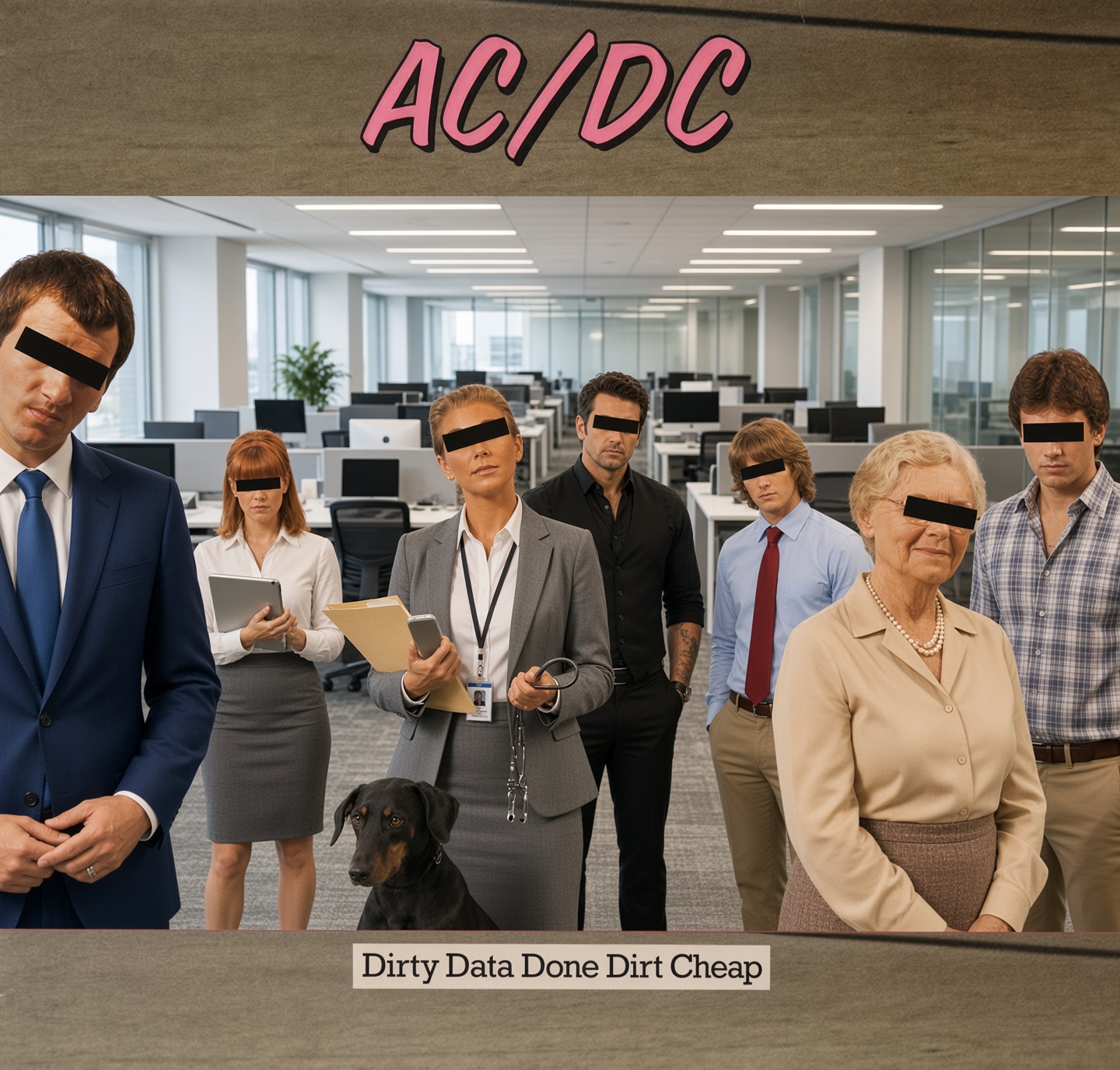
AI image generated by Grok

The running joke amongst Generation X is that we don’t listen to music after the year 2000. We feel comfortable around the music we grew up with, so we prefer to stick to the music of the 80s, sometimes the 70s, and occasionally the 90s. That’s true for me, although in my case, while my musical taste stayed in the 80s, over the years it’s wandered over the globe sampling music from the decade. When I was in Europe I caught the last few years of European synth pop and Italo Disco. When I moved to Europe it was Celtic rock with Clannad. And just prior to COVID I was digging Soviet rock through Kino and Victor Tsoi.

So we Gen Xers regard it with some bemusement when the younger generation start rediscovering the artists we grew up with. First it was Millennials getting rickrolled and finding they actually liked Rick Astley, leading the ginger crooner to come out of retirement. More recently, the backdrop of the 80s in the Netflix show Stranger Things brought many 80s songs back into the spotlight, such as Kate Bush, David Bowie, and Metallica. The series finale, which dropped on New Year’s Eve 2025, did it again. Prince and the Revolution’s “Purple Rain” re-entered the Billboard Hot 100 at No. 27, its first appearance on the survey since Prince’s death in 2016. “When Doves Cry,” the other Prince song in the finale, was the one new listeners had to look up. It topped US and UK Shazam on January 2, 2026, in part because the title is barely in the lyric.

The thing that most interests me, however, are the reaction videos. Sometimes, new ears notice things that mine have overlooked.

Continue reading “Dirty Data (Done Dirt Cheap)”

Fire for Effect

My unit: 3rd Battalion, 13th Field Artillery. “Without fear, favor, or hope for reward.” (Source: public domain media)

I went to college on an ROTC scholarship. When I got my degree, I went into active duty service as a lieutenant. During my time on active duty, I served in a field artillery battalion, as part of the operations staff. That is where I learned how the Army actually delivers fire support

The most important thing to know about artillery is that it can’t win the battle alone. The Army relies on maneuver units (tanks and infantry) to seize or hold the battlefield. Artillery supports them by putting shells, rockets, or missiles on the enemy to suppress or destroy it.

How that support is organized is the interesting part. Artillery units usually belong to a division or a corps, but they do not always work directly for that headquarters. Sometimes they shoot higher-level missions such as SEAD (suppression of enemy air defenses) or counterfire (attacking the other side’s artillery). Sometimes they talk straight to a subordinate unit that is in contact and needs rounds now. And sometimes they have a primary mission and a secondary one stacked underneath it.

Continue reading “Fire for Effect”

The Stall

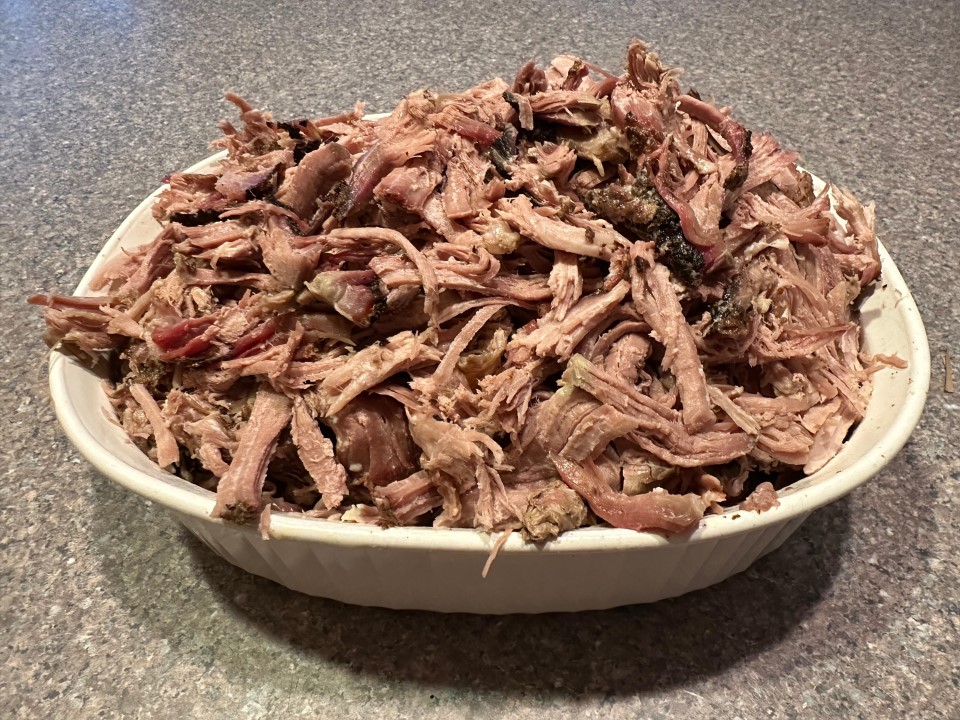
A while ago I was “gifted” with a gas grill. (It’s a long story—basically, someone I knew left behind the grill at my house and never came by to pick it up.) While I enjoy cooking, I’m usually not much of a grilling guy. However, I do have a fondness for barbecue. I lived in Kentucky for over two decades and traveled all over the South during that period. As a result, I was initiated into the finer details of pulled pork and smoked brisket.

As it turns out, there is actually a way to smoke with a gas grill; all you need is a smoker box to hold the wood chips, which you can get at any hardware store. So this past summer, I figured I’d put the gas grill to use and try my hand at smoking. It’s been a learning experience, and there were mistakes along the way. But with time and practice, I’ll get better at it.

Continue reading “The Stall”