
The Top Line

AI image generated by Grok

A few years ago I asked a vice president how the business intelligence team I was on actually proved its value. His answer was straightforward: we made it easier for directors and executives to see the current state of the business and judge what was possible next.

That discussion stuck with me because it was so different from how most foundational work gets discussed. Data architecture, data governance, and the unglamorous parts of IT hygiene rarely get described in terms of decision quality or growth optionality. They get described as cost centers. When something is only a cost, the rational move is to minimize it, defer it, and hope the problem stays quiet.

The past few days of widespread vulnerabilities—especially the critical PHP issues that affected a large share of the web—made the pattern obvious again. Plenty of people have pointed out that basic patching, asset management, and maintenance were underfunded for years. The harder observation is why. Work that leadership can’t clearly connect to top-line outcomes tends to lose the budget fight, even when everyone agrees it is important in the abstract.

Continue reading “The Top Line”
Going to Gemba

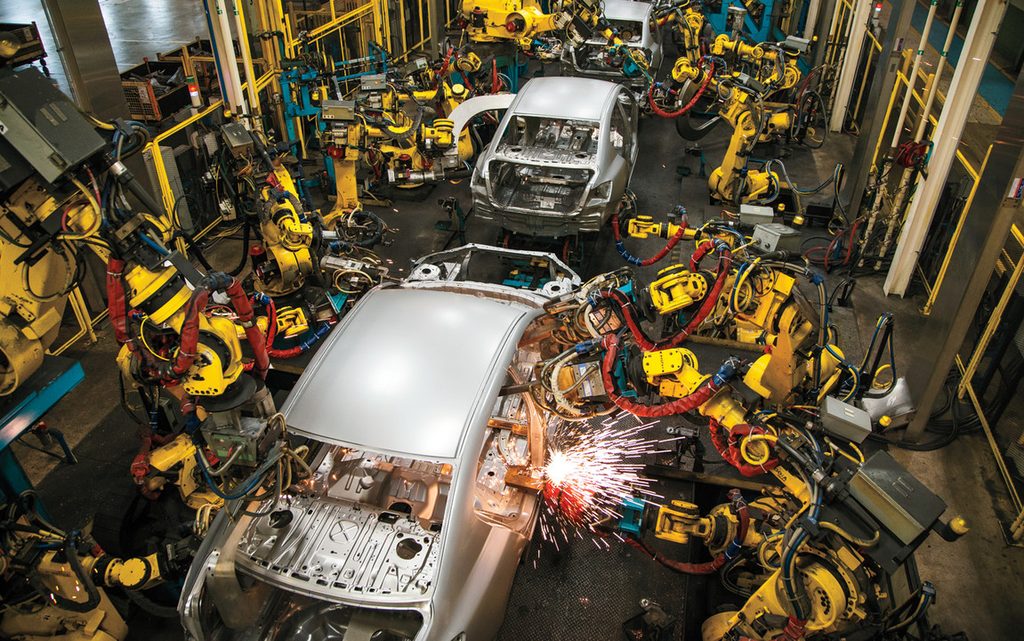
Source: Motor Trend (http://www.motortrend.com/news/miles-in-three-2013-honda-accords/)

In my past life before data architecture, I used to be a manufacturing engineer in the automotive industry. At the time, the popular approach was Lean Manufacturing and the Toyota Production System, driven by Toyota’s massive success in the United States.

Lean was—and still is—about increasing value to the customer by reducing and eliminating work that doesn’t add meaningful value. This spawned many tools and practices to surface inefficient habits. One that stayed with me was the concept of “going to gemba.” In Japanese, gemba means “the real place” where work actually happens. In practice, this meant that managers and engineers left the office and went to the shop floor. There they simply observed: stood and watched the work happening, and asked questions of the line operators in a curious and respectful manner. No decisions were made on the floor. Leadership took what they had learned back to the office and used those lessons to shape operational plans.

This concept came to mind as I read this post on LinkedIn:

Continue reading “Going to Gemba”

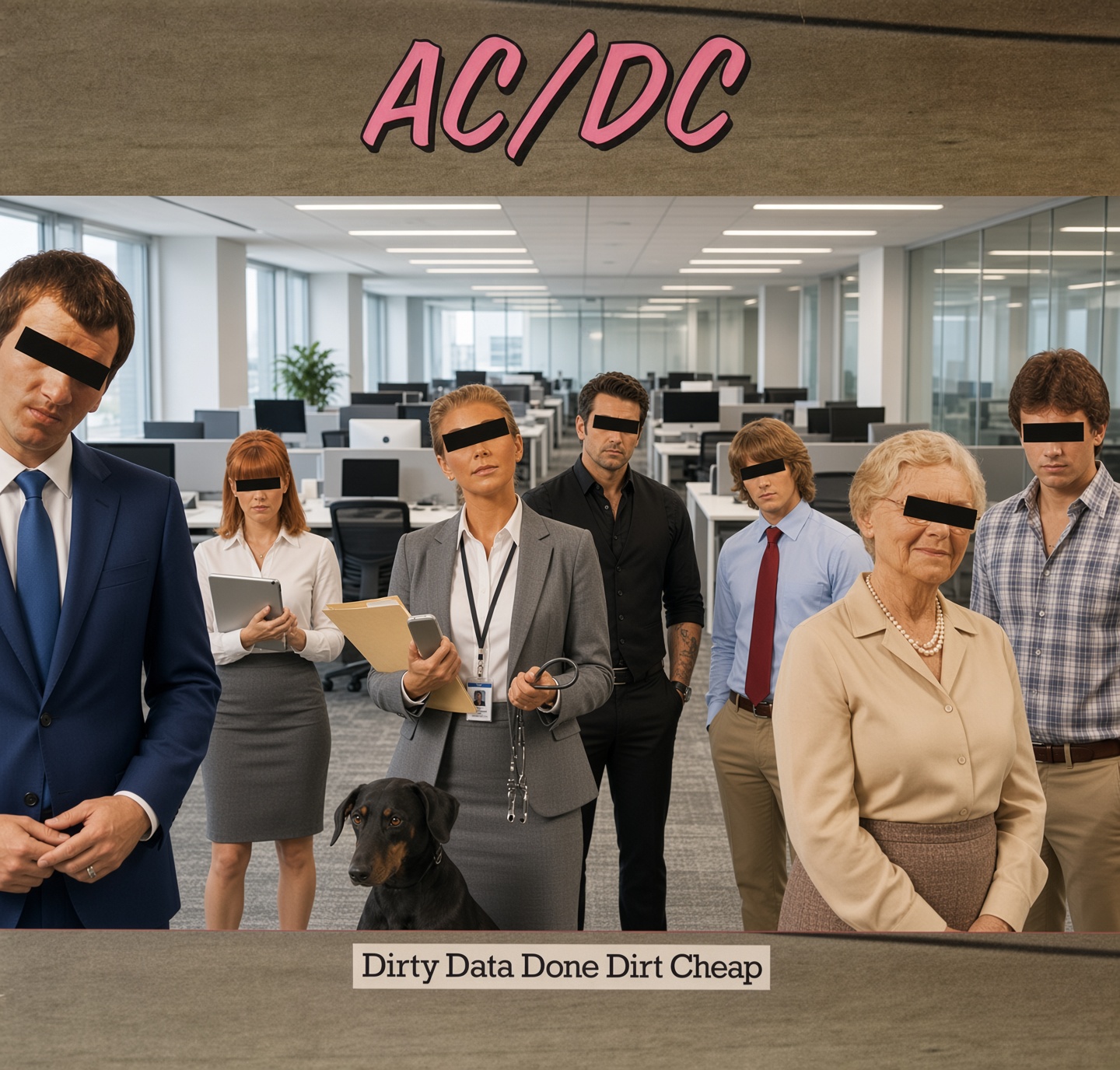
Dirty Data (Done Dirt Cheap)

AI image generated by Grok

The running joke amongst Generation X is that we don’t listen to music after the year 2000. We feel comfortable around the music we grew up with, so we prefer to stick to the music of the 80s, sometimes the 70s, and occasionally the 90s. That’s true for me, although in my case, while my musical taste stayed in the 80s, over the years it’s wandered over the globe sampling music from the decade. When I was in Europe I caught the last few years of European synth pop and Italo Disco. When I moved to Europe it was Celtic rock with Clannad. And just prior to COVID I was digging Soviet rock through Kino and Victor Tsoi.

So we Gen Xers regard it with some bemusement when the younger generation start rediscovering the artists we grew up with. First it was Millennials getting rickrolled and finding they actually liked Rick Astley, leading the ginger crooner to come out of retirement. More recently, the backdrop of the 80s in the Netflix show Stranger Things brought many 80s songs back into the spotlight, such as Kate Bush, David Bowie, and Metallica. The series finale, which dropped on New Year’s Eve 2025, did it again. Prince and the Revolution’s “Purple Rain” re-entered the Billboard Hot 100 at No. 27, its first appearance on the survey since Prince’s death in 2016. “When Doves Cry,” the other Prince song in the finale, was the one new listeners had to look up. It topped US and UK Shazam on January 2, 2026, in part because the title is barely in the lyric.

The thing that most interests me, however, are the reaction videos. Sometimes, new ears notice things that mine have overlooked.

Continue reading “Dirty Data (Done Dirt Cheap)”