
The Top Line

AI image generated by Grok

A few years ago I asked a vice president how the business intelligence team I was on actually proved its value. His answer was straightforward: we made it easier for directors and executives to see the current state of the business and judge what was possible next.

That discussion stuck with me because it was so different from how most foundational work gets discussed. Data architecture, data governance, and the unglamorous parts of IT hygiene rarely get described in terms of decision quality or growth optionality. They get described as cost centers. When something is only a cost, the rational move is to minimize it, defer it, and hope the problem stays quiet.

The past few days of widespread vulnerabilities—especially the critical PHP issues that affected a large share of the web—made the pattern obvious again. Plenty of people have pointed out that basic patching, asset management, and maintenance were underfunded for years. The harder observation is why. Work that leadership can’t clearly connect to top-line outcomes tends to lose the budget fight, even when everyone agrees it is important in the abstract.

Continue reading “The Top Line”
Going to Gemba

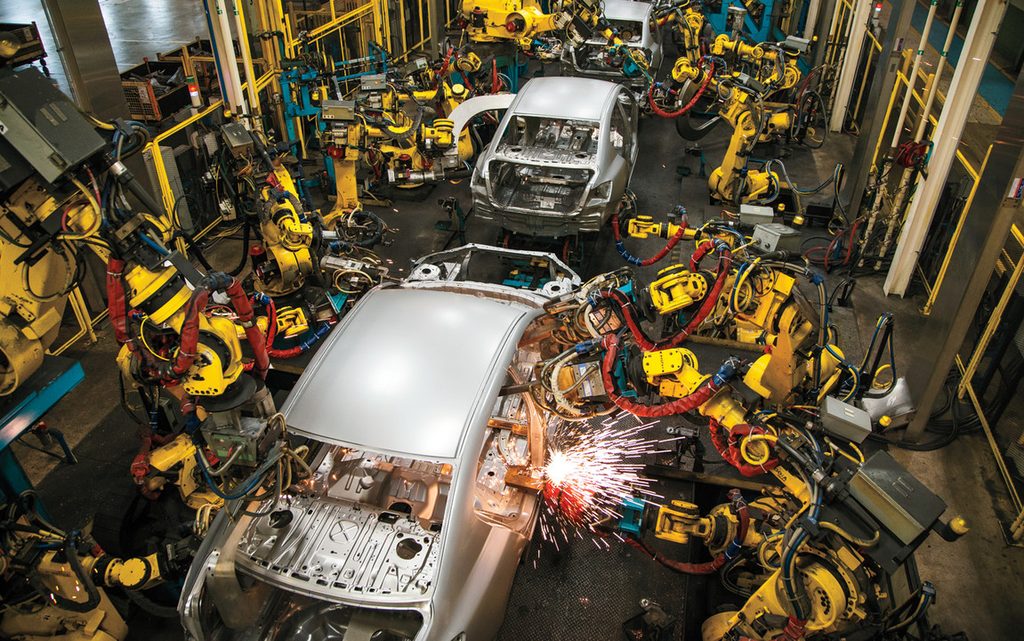
Source: Motor Trend (http://www.motortrend.com/news/miles-in-three-2013-honda-accords/)

In my past life before data architecture, I used to be a manufacturing engineer in the automotive industry. At the time, the popular approach was Lean Manufacturing and the Toyota Production System, driven by Toyota’s massive success in the United States.

Lean was—and still is—about increasing value to the customer by reducing and eliminating work that doesn’t add meaningful value. This spawned many tools and practices to surface inefficient habits. One that stayed with me was the concept of “going to gemba.” In Japanese, gemba means “the real place” where work actually happens. In practice, this meant that managers and engineers left the office and went to the shop floor. There they simply observed: stood and watched the work happening, and asked questions of the line operators in a curious and respectful manner. No decisions were made on the floor. Leadership took what they had learned back to the office and used those lessons to shape operational plans.

This concept came to mind as I read this post on LinkedIn:

Continue reading “Going to Gemba”

The Stall

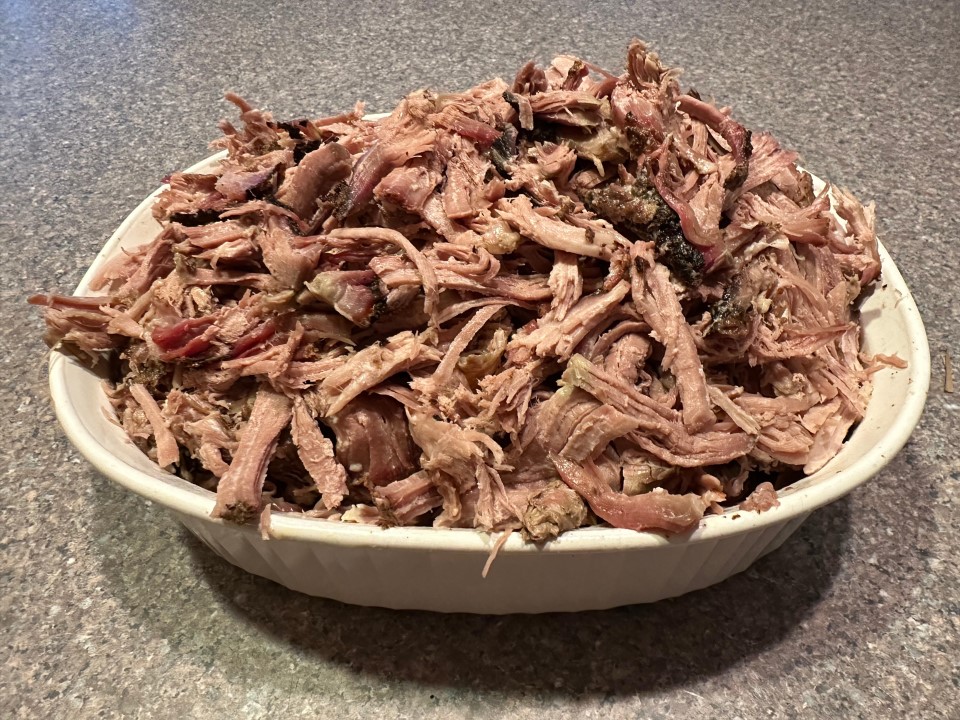
A while ago I was “gifted” with a gas grill. (It’s a long story—basically, someone I knew left behind the grill at my house and never came by to pick it up.) While I enjoy cooking, I’m usually not much of a grilling guy. However, I do have a fondness for barbecue. I lived in Kentucky for over two decades and traveled all over the South during that period. As a result, I was initiated into the finer details of pulled pork and smoked brisket.

As it turns out, there is actually a way to smoke with a gas grill; all you need is a smoker box to hold the wood chips, which you can get at any hardware store. So this past summer, I figured I’d put the gas grill to use and try my hand at smoking. It’s been a learning experience, and there were mistakes along the way. But with time and practice, I’ll get better at it.

Continue reading “The Stall”

Precipitous Terrain

If you aren’t prepared for what life can throw at you, you may be in for a great fall.

As I’m sure everyone understands all too well by now, life has a way of throwing monkeywrenches into the system. If there’s anything that’s been consistent about 2020, it’s that every month seemingly has a new surprise to spring upon humanity.

Instead of traveling over smooth ground, we are on precipitous terrain. Any kind of long term forecast is currently impossible.

When chaos is the order of the day, you must be able to make and act on snap judgements without overcommitting on your previous decision. How do you do that?

Continue reading “Precipitous Terrain”